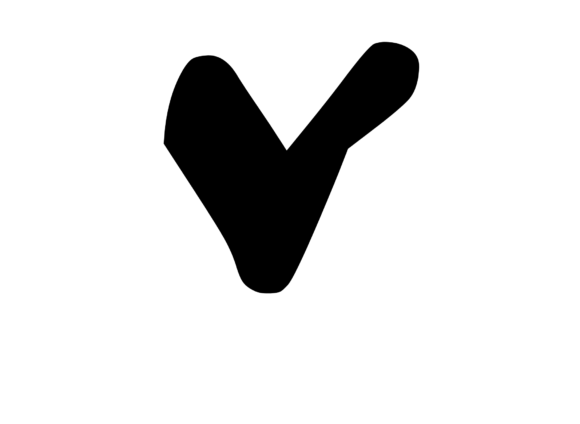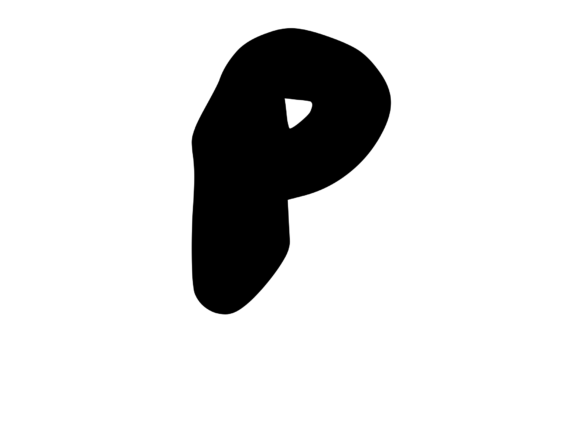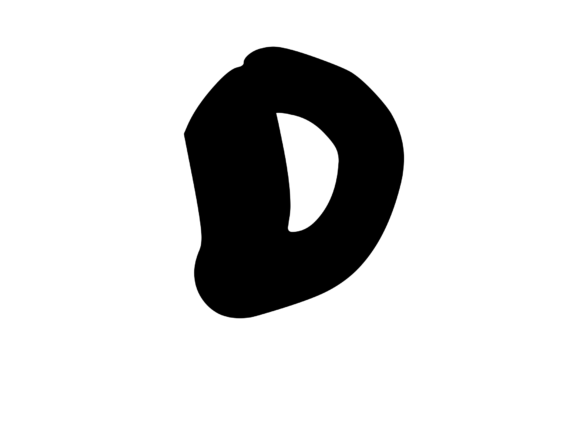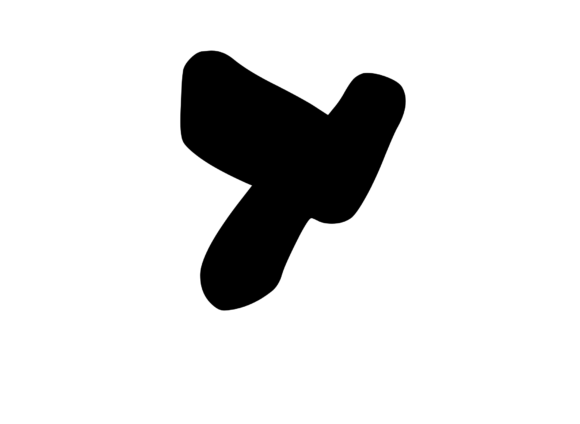
Rough Tough Fat Felt Tip Mono 1 Review
First Impressions of Rough Tough Fat Felt Tip Mono 1
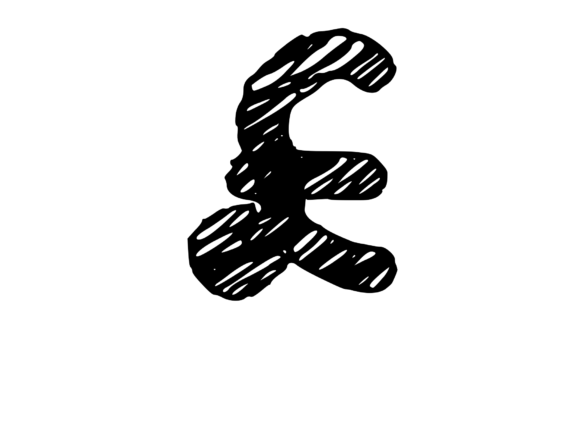
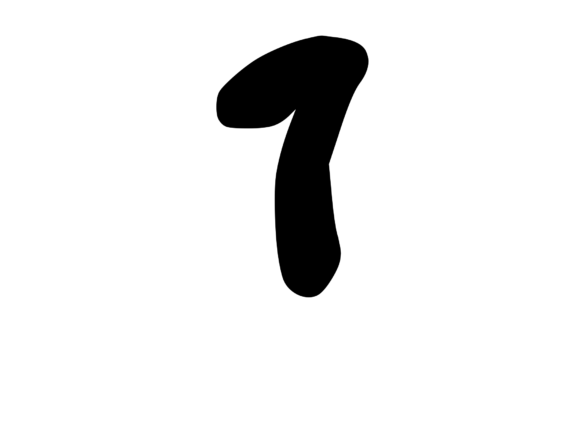
When I first opened the file for Rough Tough Fat Felt Tip Mono 1, I was immediately drawn to its bold, edgy aesthetic. The design carries a rough-hewn vibe that feels like it’s been carved from raw materials—perfect for those who want to make a statement with their embroidery. The layout is straightforward but not simplistic; there's a sense of intention behind each line and curve.
The visual personality of this design leans toward the rugged and masculine, making it ideal for custom apparel like sweatshirts or tote bags. It also has a certain versatility that makes it feel like it could be adapted into a variety of handmade products, from patches to aprons. The detail level is just enough to add texture without overwhelming the fabric.
Real-Life Scenario: Custom Embroidered Tote Bag
Let’s imagine a scenario where an Etsy seller wants to create a custom embroidered tote bag using Rough Tough Fat Felt Tip Mono 1. This design would stand out on a canvas tote, especially if paired with a dark thread color. The contrast between the design and the fabric helps bring out the sharpness of the lines and gives the finished product a strong visual impact.
For someone selling handmade products, this design could be a hit during the holiday season or as part of a small shop’s merchandise lineup. It's also worth considering how customers might react to the design. If they're looking for something unique, this piece definitely fits the bill. However, if they prefer softer or more delicate motifs, this might not be the best fit.
It's important to think about the fabric choice. A medium-weight cotton or twill fabric would work well here. For a more textured look, a canvas or burlap fabric could enhance the design’s natural feel. Using the right stabilizer will help ensure that the stitches hold up under frequent washing, which is crucial for items like tote bags.
Performance in Real Embroidery Projects
Rough Tough Fat Felt Tip Mono 1 performs exceptionally well on a range of projects. On a sweatshirt or t-shirt, it adds a touch of character that can elevate a basic garment into something memorable. The design’s simplicity allows it to blend seamlessly with other embellishments while still standing out on its own.
For baby clothes or nursery decor, this design might be too intense unless softened with color choices. But when used on caps, patches, or aprons, it brings a sense of durability and strength that aligns well with the purpose of these items. In commercial embroidery, it works well as a branded asset, especially for businesses that want to convey a rugged or outdoor theme.
One thing to keep in mind is that this design may not translate well to very small hoop sizes or highly detailed areas. The larger elements in the design require enough space to maintain clarity. If you're working with thin or stretchy fabrics, extra care should be taken with stabilizers and stitch density to avoid distortion.
Where to Use with Caution
While Rough Tough Fat Felt Tip Mono 1 is versatile, there are certain situations where it might not perform optimally. For instance, on dark-colored fabrics, the design may lose some of its visual punch unless paired with high-contrast thread colors. Similarly, on curved surfaces like caps or hats, the design needs to be adjusted to follow the contours properly.
Products that require frequent washing, such as kitchen towels or pillow covers, should be tested thoroughly. Even though the design is sturdy, the fabric and stabilizer combination must be chosen carefully to prevent fraying or puckering over time.
If you're planning to use this design for commercial purposes, it's essential to confirm the licensing terms before selling any finished items or digital products. Always test the design on scrap fabric first to see how it looks in different thread colors and fabric textures.
Design Notes for Embroidery Professionals
As an experienced designer, I recommend testing Rough Tough Fat Felt Tip Mono 1 on a few different fabric samples before committing to a full project. Check how the stitch density affects the overall look and whether the design holds up under various conditions.
Reviewing the design in black and white mockups can help assess its clarity and contrast. This is especially important if you plan to use it on both light and dark backgrounds. Also, consider how it pairs with other design elements, such as running stitch outlines or satin stitch details, to create a cohesive look.
Finally, always confirm that the design is suitable for both personal and commercial use. Whether you're creating a personalized gift or preparing digital embroidery files for your craft business, knowing the limitations and strengths of Rough Tough Fat Felt Tip Mono 1 will help you make informed decisions that lead to better results.